 Mullen Paving
Clear Warning Signs Your Pavement Should Not Ignore
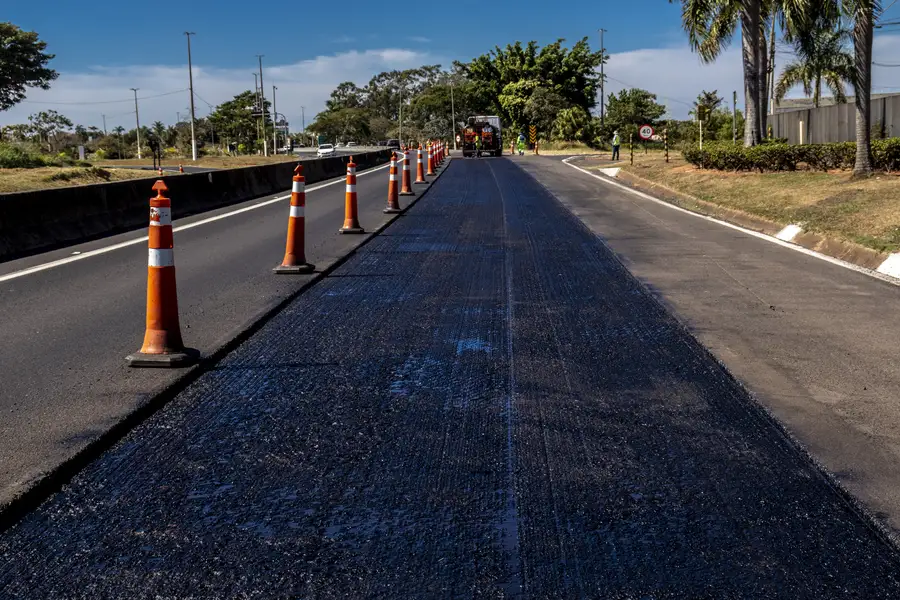
If your driveway or parking lot has growing cracks, rough patches, and fading color, it may be time for asphalt resurfacing. Small surface damage often means the top layer is wearing out. When these issues spread or get worse each season, resurfacing can restore strength and appearance without a full replacement.
Common Symptoms You Might Notice
Pavement rarely fails all at once. It usually shows warning signs first. Spotting these early can save money and prevent bigger damage.
- Wide or spreading cracks
- Shallow potholes
- Fading from dark black to dull gray
- Uneven or rough texture
- Water pooling after rain
- Edges that are breaking apart
For example, you might see thin cracks that look like spider webs. This is often called surface cracking. At first, it may not seem serious. But water can slip into those cracks and weaken the base below.
What Causes These Problems?
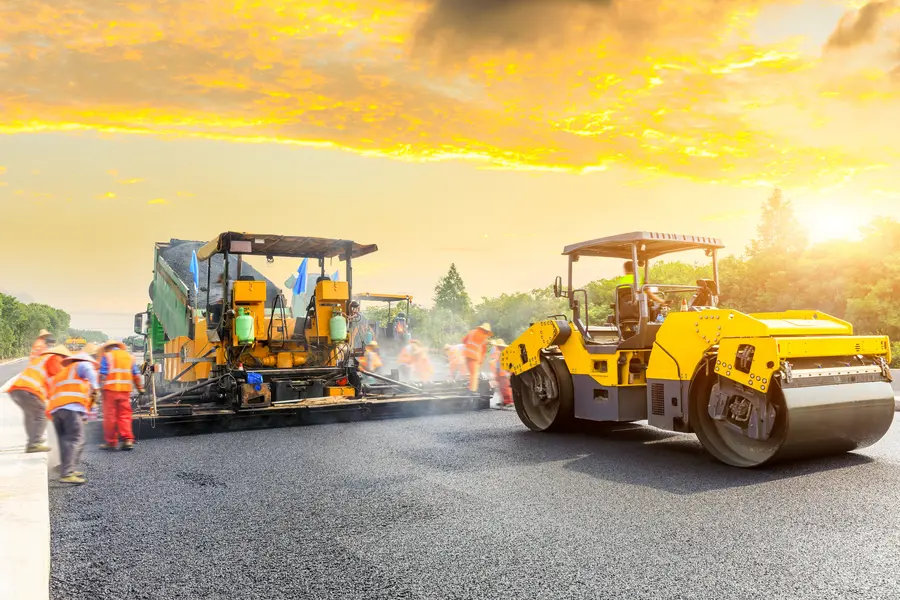
Most pavement damage starts with age and weather. Sunlight dries out the top layer. Rain and snow seep into small openings. In colder climates, water freezes and expands. This pushes the asphalt apart.
Heavy traffic also plays a role. Parking lots with delivery trucks or driveways with large vehicles wear out faster. Oil and gas spills can soften the surface, too.
Over time, the top layer loses flexibility. Once that happens, cracks form more easily. When damage stays on the surface layer and the base remains strong, asphalt resurfacing is often the right fix.
What to Check First
Before deciding on any repair, take a close look at the depth of the damage. Walk the area slowly and look for patterns.
Ask yourself:
- Are the cracks less than a quarter inch wide?
- Do potholes seem shallow rather than deep?
- Is the pavement still level overall?
- Is water draining mostly as it should?
If the foundation feels solid underfoot and there are no large dips, the structure may still be in good shape. In that case, asphalt resurfacing can add a fresh top layer and extend the life of your pavement.
Safe Fixes Versus Professional Repairs
Some minor issues can be handled with simple crack fillers from a hardware store. Sealing small openings early helps slow water damage. Sealcoating can also protect against sun and moisture.
But surface patches will not fix deeper wear. If cracks keep coming back or patches break apart within months, the damage may be beyond a quick repair. Resurfacing removes the worn top layer and applies new asphalt. This creates a smooth, even surface again.
Full replacement is only needed when the base layer has failed. Signs of base failure include large sinking areas, major drainage problems, or potholes that return quickly after filling.
How to Prevent Bigger Problems
Regular care helps delay the need for major work. A few simple habits can make a big difference.
- Sealcoat every few years to protect the surface.
- Fill small cracks as soon as they appear.
- Keep the pavement clean from debris and oil stains.
- Check drainage so water flows away properly.
- Avoid parking heavy equipment in the same spot for long periods.
Routine maintenance stretches the life of your driveway or lot. Even so, all asphalt surfaces reach a point where resurfacing becomes the smarter choice.
When It Is Time to Act
If your pavement looks worn across large areas, feels rough when you drive on it, or has multiple problem spots, waiting can lead to higher repair costs. Asphalt resurfacing works best when damage is noticeable but not severe.
Property owners often wait too long. They patch the same potholes again and again. They seal cracks each season, only to see new ones appear. When repairs become frequent, resurfacing can reset the clock on your pavement’s life.
Talk With a Local Team About Your Options
If you are seeing these signs around your property in Woodstock, GA, it may be time for a closer look. We can inspect the surface and help you decide if asphalt resurfacing is the right step. Our team at Mullen Paving handles driveways and parking lots with care and attention to detail. Call us at (470) 203-0688 to schedule an evaluation and let us help extend the life of your pavement.